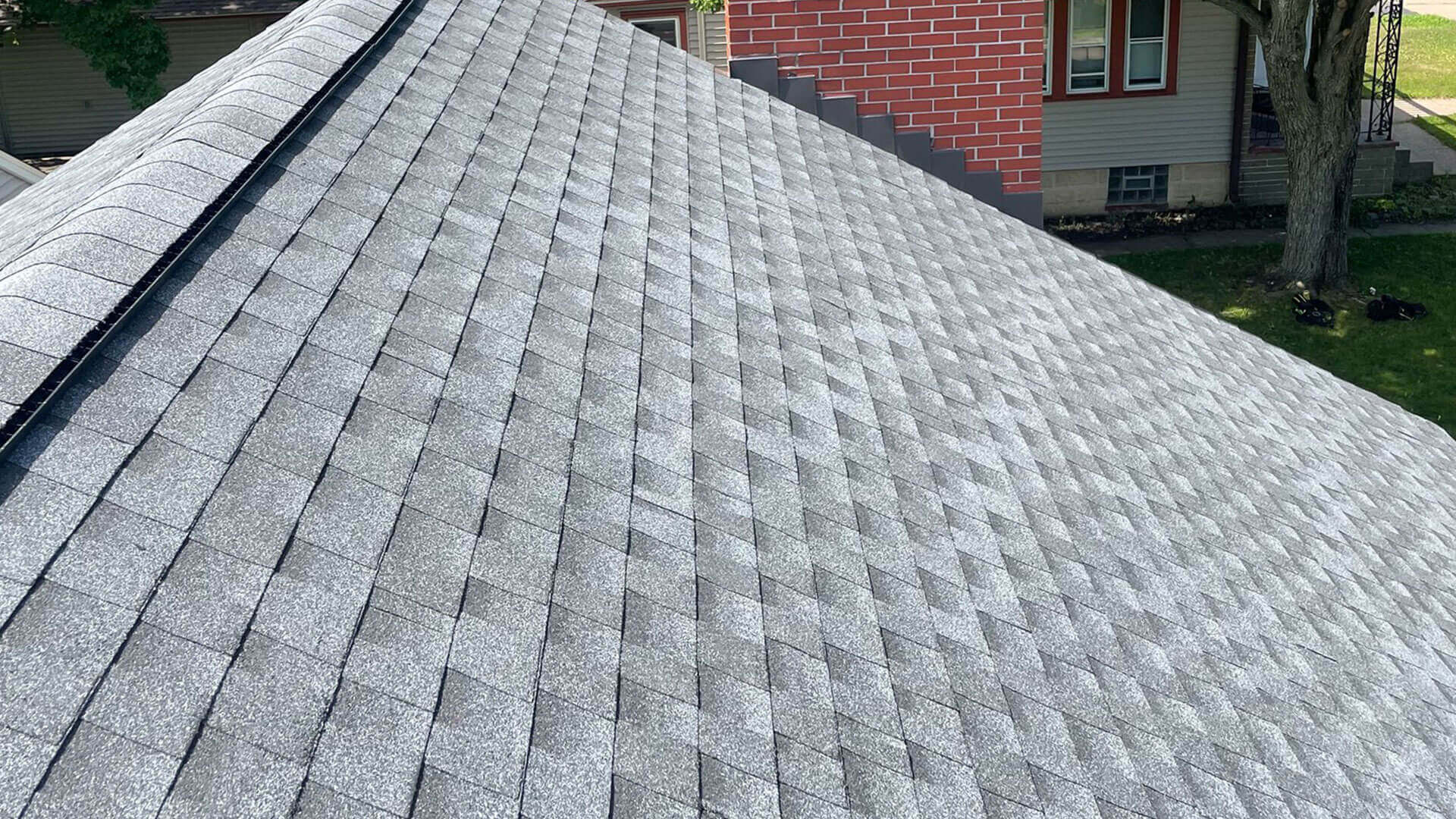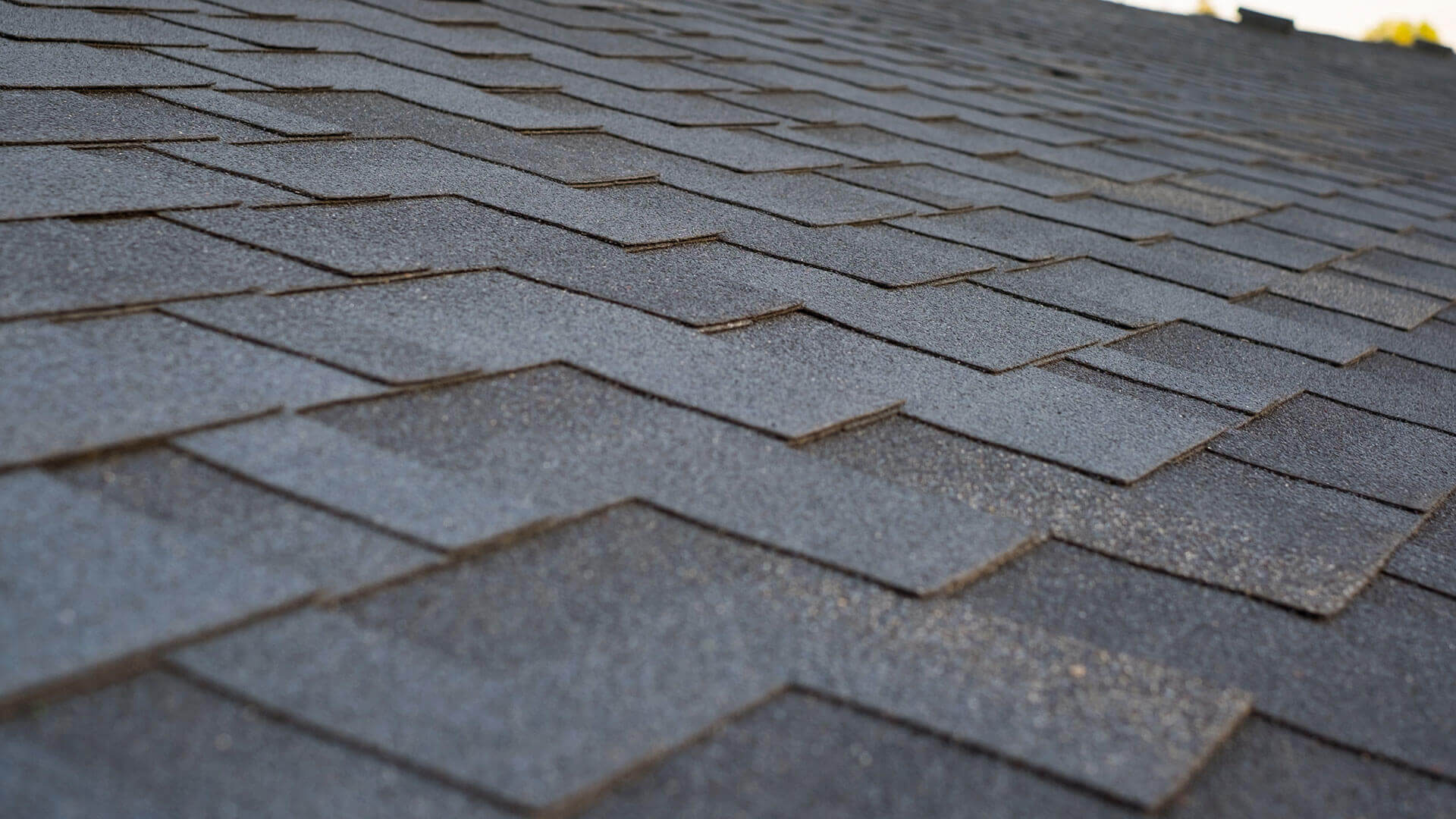
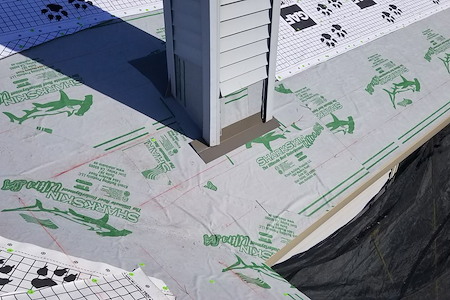
Winter in Central Wisconsin can be tough on roofs. When you see a ceiling stain or damp attic, it is natural to think “leak.” Sometimes it is a true roof leak. Other times it is attic condensation that mimics one. Knowing the difference helps you act fast, protect your home, and choose the right fix with a trusted roof repair from Oakwood Exteriors.
If you live in Stevens Point, Plover, Park Ridge, or Whiting, this guide explains how moisture shows up in our climate, what signs pros look for, and when to schedule service. You will also see when ice dams in late winter create “leaks” that actually start with ventilation and heat-loss issues rather than damaged shingles.
Why Central Wisconsin Homes See Attic Moisture
Our freeze–thaw swings, deep snow, and long heating season push moisture to the limits. Warm indoor air rises and carries water vapor into the attic. If the roof deck is cold, that vapor condenses or even turns to frost. When temperatures warm, the frost melts and drips, which looks a lot like a leak.
Older homes in Stevens Point and nearby towns often have mixed insulation levels, bathroom fans tied into the attic, or unbalanced ridge and soffit vents. These conditions raise humidity and set the stage for winter condensation. Storm damage, worn flashing, or missing shingles still matter, but they are not the only cause of moisture.
Roof Leak Versus Attic Condensation: Telltale Signs Pros Check
Moisture patterns tell a story. Here is how roofing specialists tell them apart during an inspection.
- Stains that grow after a mid-winter thaw, especially near exterior walls and eaves, often point to ice dams or condensation melt, not a hole in the roof.
- Random drip spots under a vent, chimney, or skylight after rain are more likely an active roof leak or flashing issue.
- Frost on nails or shiny “sparkles” on the underside of the roof deck in January signal trapped moisture and poor airflow.
- Musty smells, damp insulation that dries between cold snaps, and no visible shingle damage often indicate condensation.
Do not ignore a ceiling stain that grows after snowmelt. Even if it is condensation, repeated wetting can damage insulation, roof sheathing, and interior finishes.
Ice Dams: The Winter Wild Card in Stevens Point, WI
Ice dams show up when heat escapes into the attic and melts snow on the warm upper roof. Meltwater refreezes at the cold eaves and forces water back under shingles. Inside the home, stains typically appear near exterior walls or along window headers.
In Portage County neighborhoods, ice dams are most common after heavy snow followed by sunshine or a warm spell. Gutters packed with ice, long icicles over the eaves, and damp attic edges are red flags. A professional will evaluate ventilation balance, attic bypasses, insulation levels, and the condition of leak-prone areas at the eaves.
Where True Roof Leaks Usually Start
Even in winter, not all moisture is condensation. Here are the weak points technicians investigate first:
- Flashing at chimneys, sidewalls, skylights, and roof-to-wall transitions
- Cracked pipe boots and aged sealants around penetrations
- Storm-lifted shingles and exposed nail heads on ridges or hips
- Open seams or punctures on low-slope or porch tie-ins
Because leaks rarely travel straight down, stains may appear several feet from the source. That is why a trained pro follows water pathways along the deck, underlayment, and framing to pinpoint the failure.
Attic Condensation: How Pros Confirm It
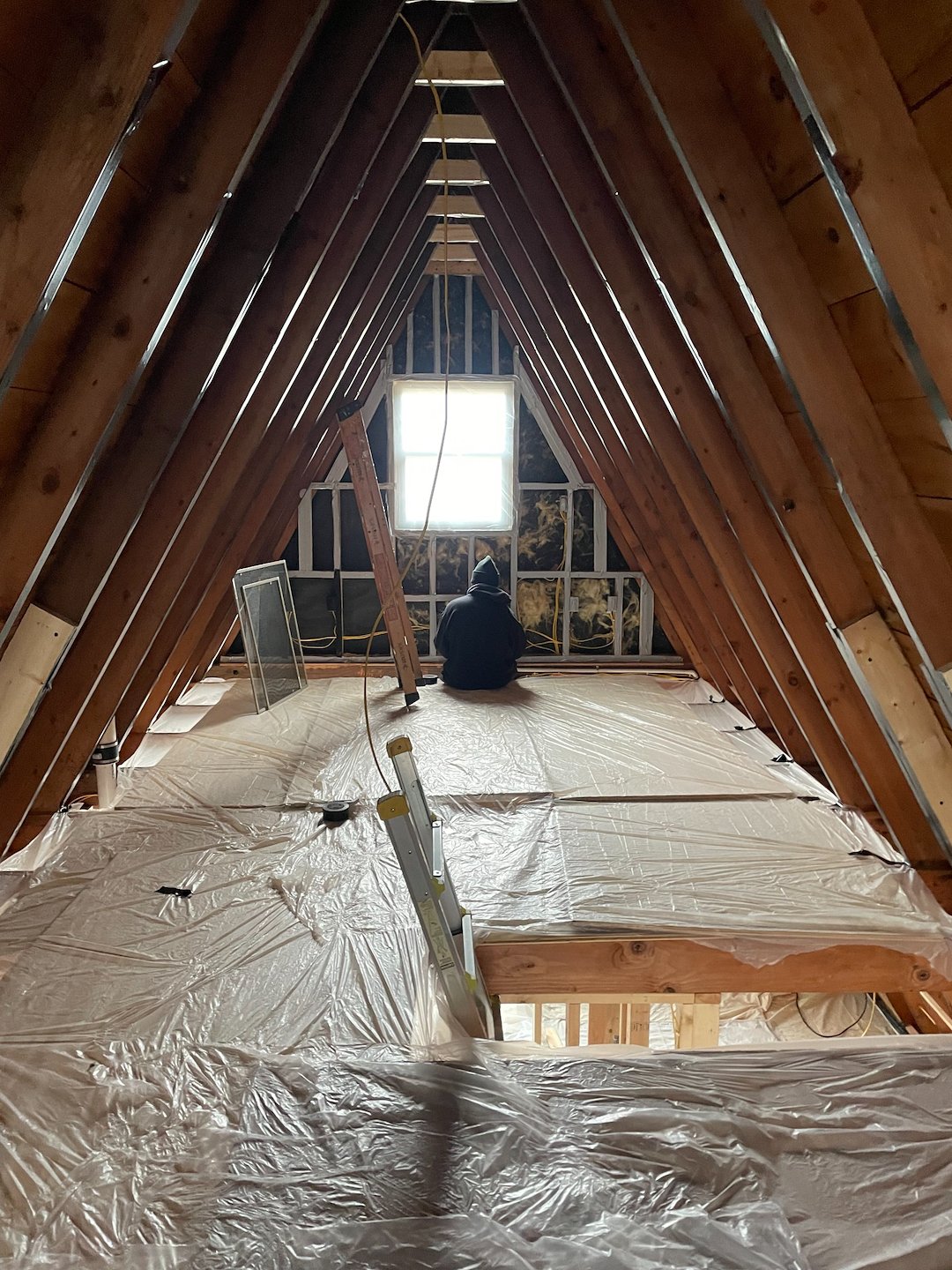
When our team inspects for condensation, we look beyond shingles. We review airflow from soffit to ridge, verify that bath and kitchen fans exhaust outdoors, and note temperature differences from the center of the attic to the eaves. We also examine insulation for recurring dampness and “shadowing” on the roof deck that comes and goes with the weather.
Never chip or pry ice from your roof or gutters. That can tear shingles and create real leaks. A safer path is to schedule a professional assessment so the root cause is corrected instead of just removing surface ice.
What Makes Central Wisconsin Different
Homes in Stevens Point, Amherst, and Wisconsin Rapids experience extended subzero spells followed by brief warm-ups. This yo-yo pattern feeds attic frost and then quick melting. Lakes and the Wisconsin River can add humidity around low-lying areas, which raises the risk of winter condensation.
Mixed roof designs also matter. Many homes have both steep shingle sections and low-slope porch or garage tie-ins. The transition lines and valleys deserve extra attention because they collect wind-driven snow and increase meltwater pressure during a thaw.
When To Call A Roofing Contractor Near You
Early action reduces damage. Call Oakwood Exteriors if you notice any of the following during a Wisconsin winter:
Ceiling stains that darken after a thaw. That is a classic signal of ice dams or melting attic frost. Moisture can return with each warm-up until ventilation, air leaks, and insulation are addressed.
Water marks below a vent, chimney, or skylight after rainfall. This pattern leans toward a flashing or seal issue that needs repair.
Persistent musty odor in the attic or visible frost on fasteners. Both indicate high humidity that can lead to mold and wood rot.
How Pros Solve Moisture Problems
Fixes depend on the diagnosis. For true leaks, repairs focus on the exact failure point, such as replacing damaged shingles, resetting flashing, or sealing a boot. For condensation, the lasting solution is to improve the roof system so the deck stays dry and cold, even when the house is warm.
In many Central Wisconsin homes, that means balancing intake and exhaust ventilation, correcting bath fan terminations, and addressing cold eave zones that are prone to ice dams. We focus on durable repairs and system improvements that work with our climate rather than quick patches that only mask symptoms.
What To Expect During A Professional Inspection
Our team starts inside, reviewing moisture patterns on ceilings and in the attic, then moves outside to evaluate shingles, flashing, and eaves. We pay special attention to north-facing slopes that hold snow longer and sections near tall trees where shade keeps the deck colder.
We also assess how your roof system interacts with other exterior components. If gutters are undersized, downspouts dump near foundations, or fascia has taken on water, we note those risks and recommend coordinated improvements on the roofing side that support long-term performance.
Stevens Point Scenarios: What The Signs Suggest
Ceiling spot near an exterior wall after a thaw: Often ice dam pressure or melting attic frost running down to the eave line. A pro checks soffit airflow, eave protection, and insulation patterns along the perimeter.
Damp attic insulation under a bath fan in Whiting: Many older bath fans were vented into attics instead of outdoors. The symptom is heavy winter moisture around the duct run and deck above that location.
Leak by a living room skylight in Plover after wind-driven rain: This points to flashing, sealant, or curb issues around the skylight, especially on older units.
Repair Now Or Wait For Spring?
Moisture does not take a season off. If your home shows active signs of water intrusion or ice-dam staining, waiting can make things worse. Many repairs are safe and effective in cold weather. Materials and methods are selected for temperature, and work is timed to avoid precipitation or extreme wind chills.
If a comprehensive attic improvement is part of the plan, we may phase work so immediate risks are controlled first, then schedule follow-up steps when conditions are ideal. The goal is to stop damage quickly and then strengthen the whole system.
Protect Your Investment With The Right Next Step
If you are unsure whether it is a leak or condensation, let a specialist confirm it. A short visit can save you from chasing the wrong fix and paying for repeat damage. You can start with a focused evaluation and a clear, written plan for repairs and improvements tailored to our Central Wisconsin climate.
When searching for a “roofing contractor near me,” choose a local team that understands Stevens Point weather and building styles. That local insight helps prevent moisture problems from returning and gives you lasting peace of mind.
Your Local Partner For Roof Repairs In Stevens Point
Oakwood Exteriors helps homeowners in Stevens Point, Wisconsin Rapids, and nearby communities stop moisture at the source and strengthen their roofs for the seasons ahead. If your home needs targeted fixes or a system upgrade, our technicians will recommend the right approach and stand behind the work. Learn more about our approach to dependable roof repairs for Central Wisconsin homes.
Prefer to start at the top level? Explore the full range of solutions on our exteriors pages, then connect with our team for guidance.
Ready To Pinpoint The Problem And Fix It Right
Whether you suspect a flashing issue, ice dam staining, or condensation, take the next step with Oakwood Exteriors. Start at our home base for roof leak repair stevens point, or reach us at 715-432-8202 to talk through what you are seeing. We will confirm the source and map out a proven plan that fits your home and our Wisconsin climate.
Interested in Financing?
Learn more about our flexible payment options
Recent Posts
-
Roof Repair vs Roof Replacement: How to Decide After a Leak
A sudden water spot or drip can feel alarming. If you live in Stevens Point, our mix of spring downpours, summer hail, and winter freeze-thaw cycles makes roof decisions feel urgent. This guide walks you through a clear, homeowner-friendly way to choose between roof repairs and […]
-
How Long Do Asphalt Shingles Last in Central Wisconsin?
Homeowners in Stevens Point know our roofs work hard through long winters, spring thaws, and summer storms. In Central Wisconsin, asphalt shingles typically last 15 to 30 years, depending on shingle type, installation quality, ventilation, and weather. If you want a roof that stands up to […]