Hail can mark a roof in ways that are easy to miss from the ground. If you are worried about hail damage roof signs, a local pro can confirm what is real damage and what is normal wear. When storms hit Portage County, homeowners turn to proven storm damage restoration to protect their homes and move claims forward.
Hail Damage Roof Signs in Stevens Point, WI
Hail in Central Wisconsin often arrives with spring and summer thunderstorms. Impacts range from pea-size to golf ball size, and each can leave different marks on your roof.
What pros commonly document:
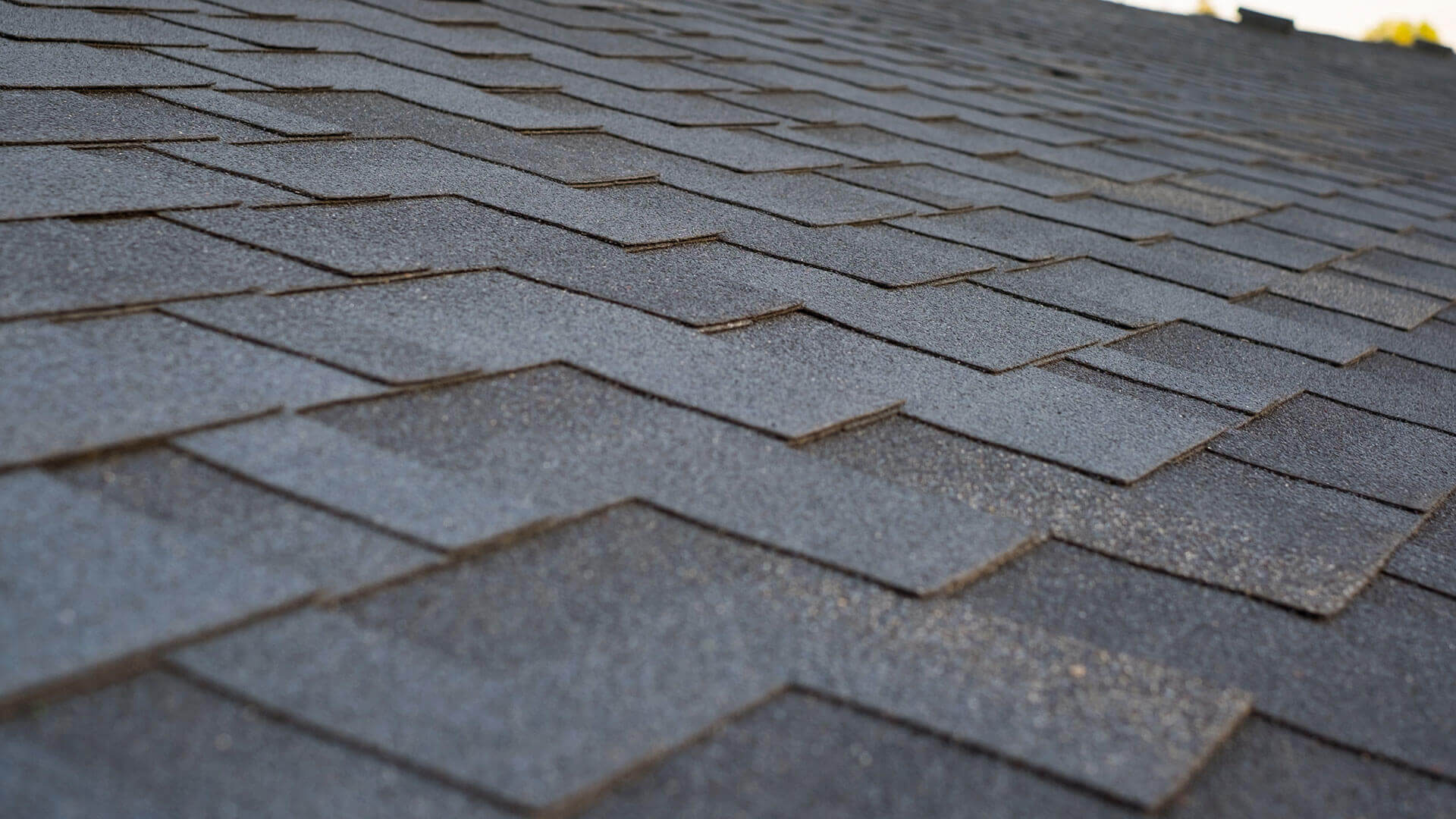
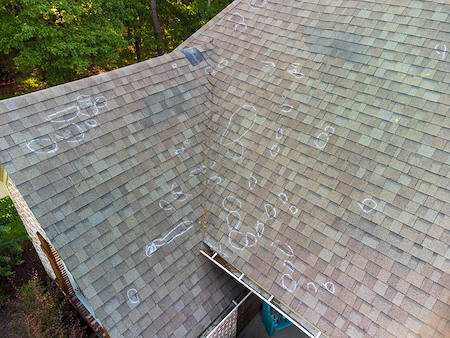
- Dark, round “bruises” on asphalt shingles where granules are crushed and the mat is indented.
- Fresh granules washing into gutters and downspouts shortly after a storm.
- Chips or dents on soft metals like vents, gutters, and flashing that match the storm direction.
- Cracks or splits on brittle shingles, especially on older roofs facing prevailing winds.
These patterns help separate hail impacts from scuffs, foot traffic, or normal aging. The goal is clear evidence that ties to a specific storm event.
What Hail Does to Different Roofing Materials
Hail affects materials in different ways, and knowing the signs helps your contractor document the right details for your claim.
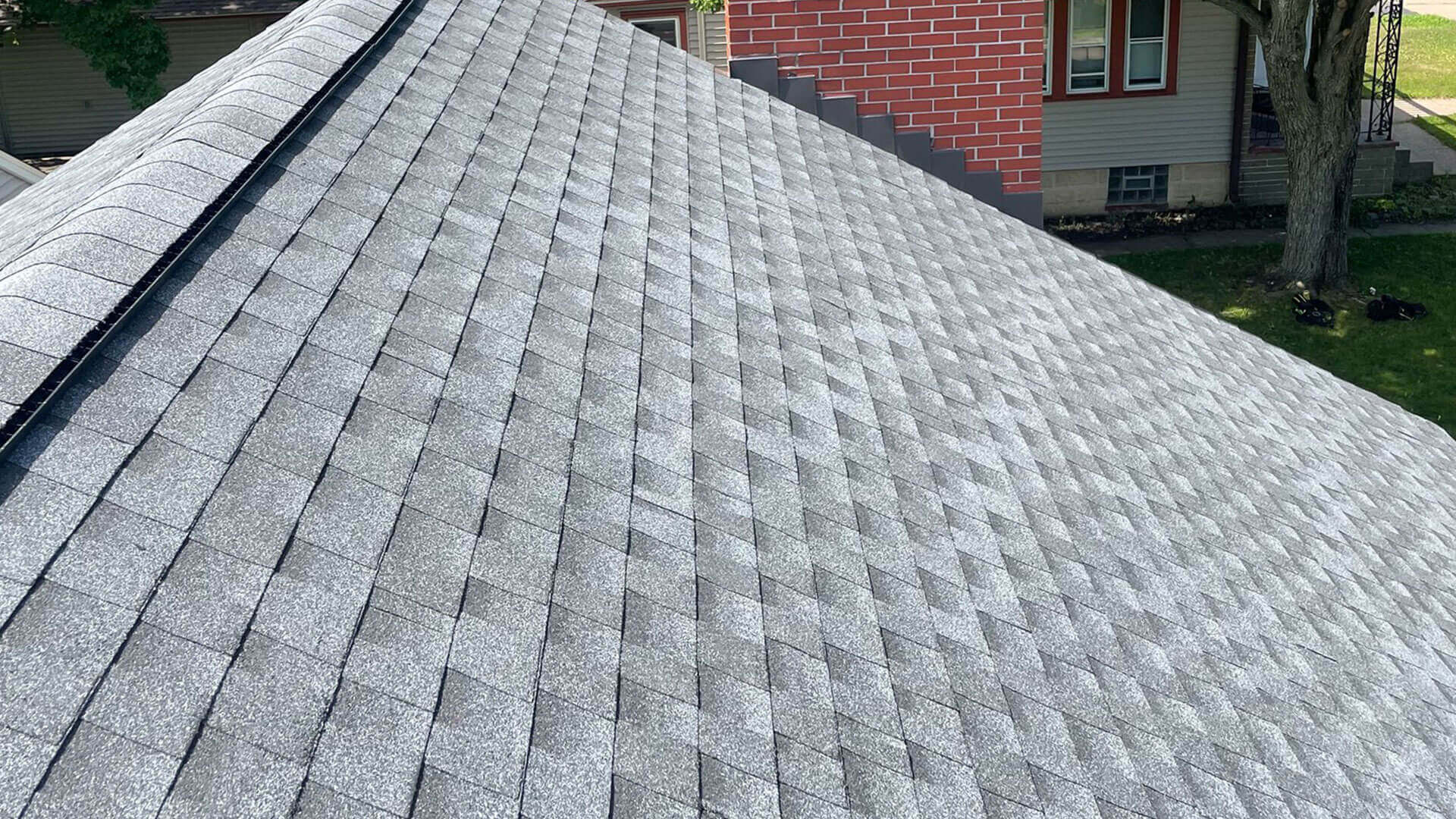
- Asphalt shingles: Round impact marks with crushed granules, soft to the touch when new. Over time, these spots can expose the asphalt and speed UV wear.
- Metal roofing: Dents that are visible in raking light. Coating scuffs may appear on ridges, ribs, and near fasteners.
- Cedar shakes: Fresh splits with sharp edges and little discoloration. Older shakes may show longer, weathered splits not tied to hail.
- Low-slope or flat roofs: Punctures or spider-web cracking near ponding areas and around rooftop equipment.
Because hail paths are directional, a professional will compare slopes. North and west faces may show heavier activity when storms track from the Twin Cities corridor toward Stevens Point.
Granule Loss, Bruising, and Cracks: What They Mean
Granule loss is the sand-like coating that protects the asphalt shingle from sun and weather. Hail can knock off granules in a circular pattern. A few bare spots are normal as a roof ages, but clustered, circular spots after a single storm are a red flag.
Bruising occurs when the shingle mat beneath the granules is compressed. Even if you cannot see the dent, a pro can detect it by feel during a safe, controlled inspection. Cracks or radiating splits often appear where hail strikes older or cold-stiff shingles.
A confirmed hail bruise or crack is not cosmetic. It can accelerate water shedding problems and shorten the roof’s service life if it is not addressed.
How Pros Inspect After a Hailstorm
A trained roofing specialist follows a consistent method to record results that make sense to both homeowners and insurers. The focus is accuracy and safety, not guesswork.
- Establish storm date and wind direction using local weather data and neighborhood patterns.
- Document hits per test square on multiple slopes with clear, time-stamped photos.
- Capture close-ups of bruising, granule loss, cracks, and metal dents on vents and gutters.
- Note roof age, manufacturer, shingle type, and existing wear that is unrelated to hail.
- Build a simple “photo checklist” that organizes images by slope and component for claim readiness.
This approach avoids confusion during adjustments and keeps conversations focused on facts. If replacement or repair is recommended, you can review options in plain language with local roofing services that fit your home.
Safety first: Wet shingles and steep pitches are hazardous. Stay off the roof and let a qualified professional inspect and photograph the damage. In our climate, hail can be followed by new rain systems within days, so quick documentation helps protect your timeline.
When to Call a Roofing Pro in Stevens Point
Timing matters in a place that sees fast-changing weather. After a significant storm, many homeowners in Plover, Park Ridge, and Whiting schedule inspections within a few days so damage is documented before the next round of rain.
Call a local roofer within 48 hours of a damaging hail event to start the process. That window helps with temporary protection if needed and supports a smoother claim. If the impact was lighter, you can still schedule a check within the week to confirm the roof is sound.
Your contractor can also coordinate with your insurer’s adjuster so everyone looks at the same slopes and the same photo evidence. That reduces repeat visits and keeps the conversation straightforward.
Claim Readiness Without the Stress
Being “claim ready” means the documentation is organized before your adjuster arrives. A professional will create a simple photo checklist that shows representative hits, metal dents, and slope-by-slope conditions. Clear labeling prevents mix-ups between old wear and new hail marks.
Do not remove or alter anything on the roof before documentation. Keeping the site as-is helps confirm cause and reduces back-and-forth later. If weather threatens, your roofer can install temporary protection after photos are complete.
When the scope is approved, material selection and scheduling proceed. If you expect a full replacement, your team can walk you through profiles and warranties on the exterior services side as well as roofing specifics, so the finished project matches your home and neighborhood.
What “Cosmetic” Versus “Functional” Looks Like
Some marks may be called cosmetic, especially on metal panels. Even then, a pro will assess whether coating scuffs could shorten service life at panel ribs or seams. On asphalt shingles, functional damage usually means the mat is bruised or cracked and granules are missing in a hail-shaped pattern.
Functional damage affects how a roof sheds water. That is the dividing line most adjusters look for. A consistent inspection with photos helps resolve this quickly.
Local Patterns We See in Central Wisconsin
In Stevens Point, storms often track west to east. West and north slopes may take more direct hits, and valleys can show concentrated granule loss where hail bounces and collects runoff. Homes near open fields or along the Wisconsin River can see different wind effects than sheltered city blocks.
Tree cover is a factor. Branches that overhang roofs sometimes mask impacts on shaded slopes but can add scuffs where hail and twigs strike together. Your inspector will compare shaded and open areas to build a clearer picture.
Your Next Best Step
Skip the guesswork. If you saw leaves shredded, vehicles dimpled, or neighbors replacing shingles after the last storm, it is smart to have a pro check your roof. A thorough inspection with a labeled photo set gives you confidence and keeps your claim conversation simple.
If repairs or replacement are needed, your contractor will explain options in plain terms and line them up with your goals. You can explore broader upgrades through our roofing services and related exterior services when it makes sense for your home and budget.
What To Expect From a Professional Visit
The visit starts with a short conversation about where you were during the storm, what you noticed, and the age of your roof. Then the tech follows a safe inspection plan and captures photos that match a simple checklist. You review findings together, and next steps are outlined on the spot.
That is it. No pressure, no jargon. Just clear results you can use with your insurer and your family.
Be Ready for the Next Storm
Central Wisconsin weather changes fast. Small fixes now can prevent bigger headaches later. If a pro flags weak flashing or exposed fasteners during a hail check, addressing them early can help your roof handle the freeze-thaw cycles we see from late fall through early spring.
For background learning, you can start at hail damage roof signs and then schedule a visit when you are ready to move forward.
Get Trusted Help Today
From first call to final walkthrough, Oakwood Exteriors keeps the process organized and neighbor-friendly. You get simple communication, a clean job site, and documentation that makes sense.
If you prefer to talk through your options first, we are happy to explain materials and timelines and how they fit Central Wisconsin homes. When a storm hits, you are not alone. Our team is ready to help.
Interested in Financing?
Learn more about our flexible payment options

Recent Posts
-
What Hail Damage Looks Like on a Roof and When to Call a Pro
Hail can mark a roof in ways that are easy to miss from the ground. If you are worried about hail damage roof signs, a local pro can confirm what is real damage and what is normal wear. When storms hit Portage County, homeowners turn to […]
-
Roof Repair vs Roof Replacement: How to Decide After a Leak
A sudden water spot or drip can feel alarming. If you live in Stevens Point, our mix of spring downpours, summer hail, and winter freeze-thaw cycles makes roof decisions feel urgent. This guide walks you through a clear, homeowner-friendly way to choose between roof repairs and […]