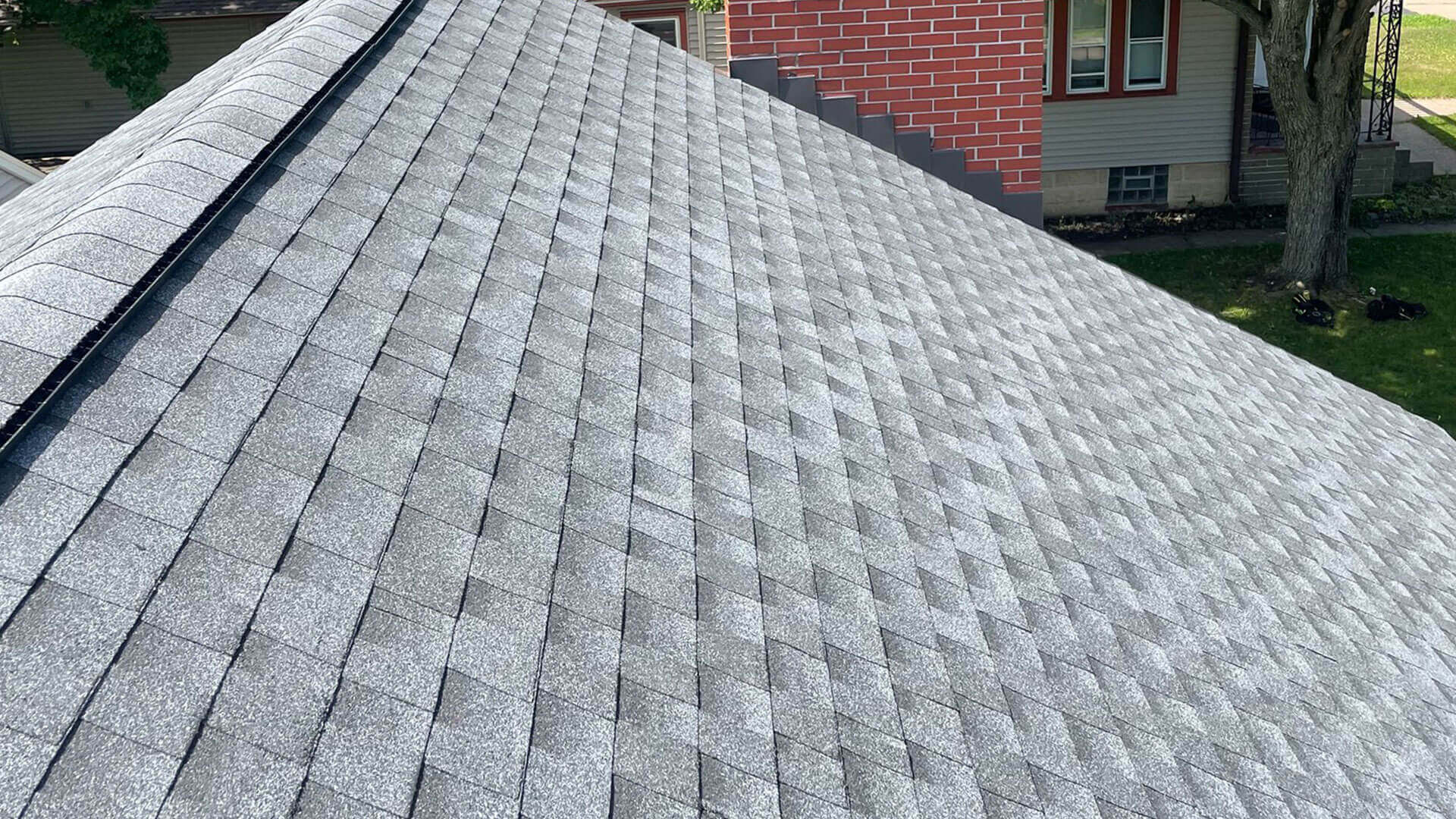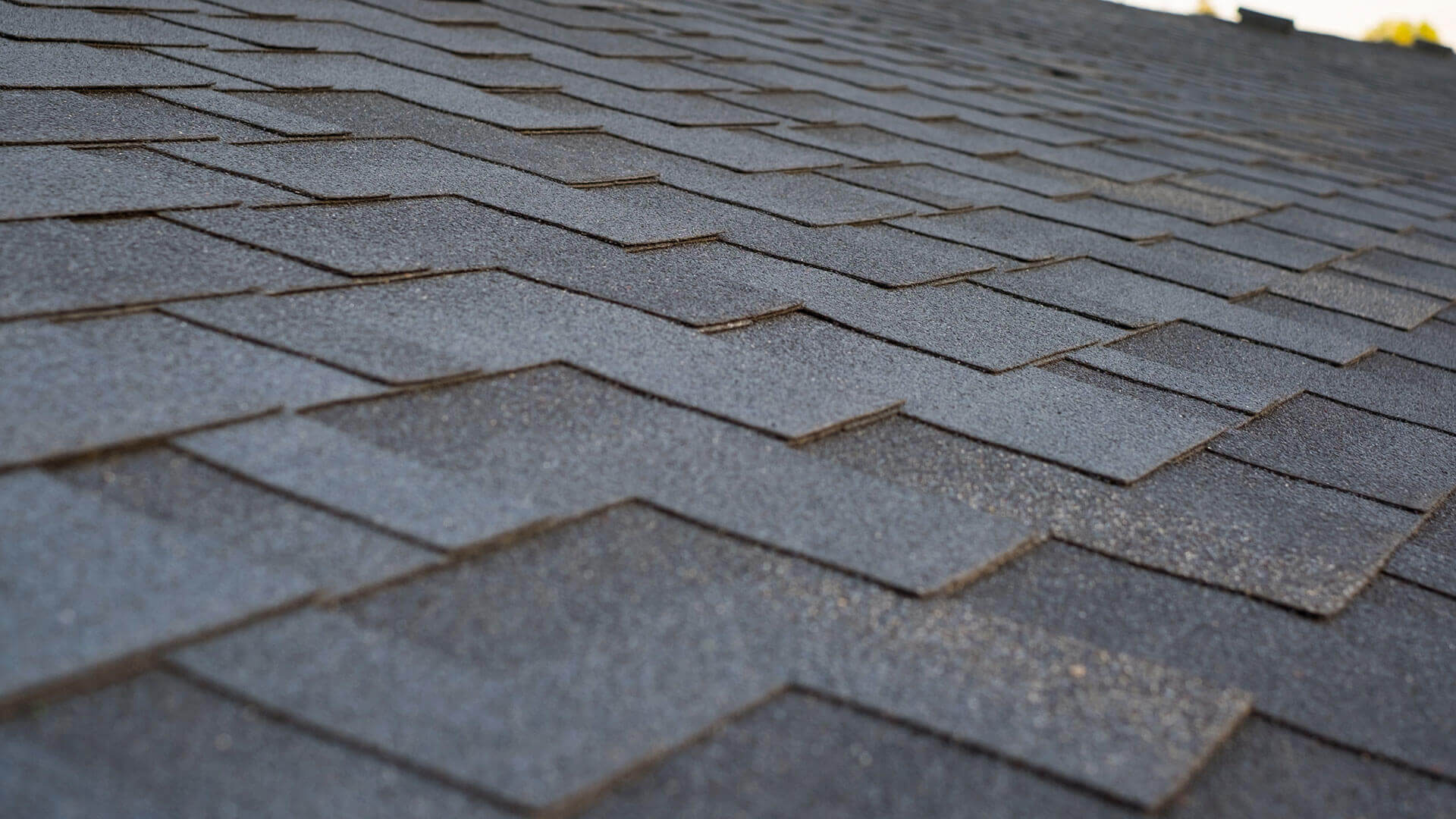
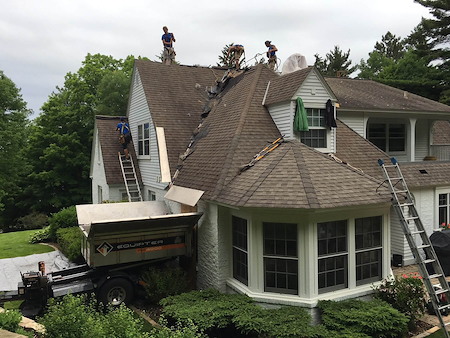
A sudden water spot or drip can feel alarming. If you live in Stevens Point, our mix of spring downpours, summer hail, and winter freeze-thaw cycles makes roof decisions feel urgent. This guide walks you through a clear, homeowner-friendly way to choose between roof repairs and a full replacement, so you protect your home and avoid wasting time.
We will focus on what the leak is telling you, the age and condition of your system, and the timing steps that keep insurance and project planning on track. You will also see how local weather patterns in Park Ridge, Whiting, and Plover shape the right choice for your roof.
What That New Leak Really Means In Stevens Point
Not every leak points to a failing roof. In Central Wisconsin, water can sneak in at one weak detail and travel before it shows up on your ceiling. A cracked pipe boot, a loose step flashing, or a lifted shingle can let water in even if most of the roof is sound.
If the spot appears after a wind-driven rain or just after a warm afternoon melts snow, the leak may be tied to flashing or ice dams rather than widespread wear. Reviewing the attic side helps your roofer trace the path and confirm whether a targeted fix will hold.
When Roof Repair Makes Sense
Choose a focused repair when problems are isolated and the rest of the system is still healthy. Think of it like stitching a small tear in a winter coat that otherwise has plenty of life left.
- One clear source: a cracked pipe boot, a small flashing failure, or a few lifted or missing shingles
- Roof age is comfortably within its expected service window and shows no broad granule loss
- No repeating leak history in different rooms or along multiple planes
- Decking feels solid and attic shows no widespread staining or frost issues
Repairs in these cases stop the leak quickly and preserve the remaining life of your roof. If you are unsure whether you are seeing a true leak or attic moisture, this post on roof leak or condensation can help you describe symptoms to your roofer.
When Roof Replacement Is The Smarter Move
Replacement is often the better long-term choice once problems spread or the roof nears the end of its useful life. Patching a worn-out roof is like taping seams on an old coat that tears again every time you zip it up.
- Leaks keep popping up in new areas, or several details are failing at once
- Shingles show widespread wear such as curling edges or heavy, even granule loss
- Past repairs keep buying less and less time between incidents
- Attic inspections reveal multiple stains, poor ventilation history, or soft decking
At this point, a full system replacement corrects root causes, restores proper ventilation, and resets your home for local weather. If you want to compare systems, browse the main roofing page for options that perform well here.
Age Thresholds, Materials, And What They Tell You
Age is a guide, not a rule. Architectural asphalt shingles in Central Wisconsin often last for many years when installed as a full system and paired with balanced attic ventilation. Stone-coated steel and standing seam metal are chosen for longer service life and faster snow shedding. The real decision point is condition. If a relatively young roof has a one-off flashing failure, a repair is reasonable. If an older roof shows uniform wear, replacement usually avoids chasing leaks season after season.
During inspections, a pro will check shingle fields, ridge caps, valleys, sidewalls, chimney flashing, and penetrations. Balanced intake and exhaust help prevent attic frost and ice dams that shorten life. If ventilation was missing for years, expect accelerated aging and plan accordingly.
Leak Diagnosis First, Then The Decision
Your roofer should trace the leak path from the attic side and confirm which detail failed. This prevents guesswork. A focused diagnosis often saves you from replacing components that still work. If the failure is isolated, a repair is a good choice. If several details are weak, it is wiser to invest in a replacement that fixes the system, not just the symptom.
Insurance And Timing After Storms In Central Wisconsin
Spring hail, summer wind, and sudden downpours create many of our local leak calls. If you suspect storm damage, open a claim promptly and document what you can safely see from the ground. Then schedule a professional assessment. If a large area is exposed, do not delay temporary protection; proper stabilization limits interior damage while scopes are reviewed. Your contractor can coordinate timelines with your carrier so you are not waiting through the next storm cycle.
Repair vs Replacement: How Home Value And Disruption Compare
Repairs are fast and minimize disruption when the roof is otherwise healthy. Replacements take longer but reset warranties and curb appeal, which can matter if you plan to sell. If ongoing repairs begin to feel like plugging one hole only to see another open up, that is your sign that replacement is the more predictable, lower-stress path.
How Central Wisconsin Weather Shapes The Choice
Homes near open fields around Hull and rooftops shaded by tall pines in Whiting experience different stress. Wind and drifting snow load shingles and flashings in open areas. Shaded eaves stay colder and encourage ice dams. Choosing the right underlayment strategy and ventilation plan is as important as the outer material. For winter prep, see the quick guide on preventing ice dams on Stevens Point roofs.
What A Pro Inspection Includes
A thorough assessment covers both sides of the roof system. Outside, your roofer maps impact marks if hail is suspected and examines details at eaves, valleys, and roof-to-wall areas. Inside, they look for staining patterns, damp insulation, and ventilation balance. Findings are documented with photos so you can see exactly why a targeted fix or a system upgrade is recommended.
Sample Scenarios To Make The Call Easier
After a gusty summer storm, you notice a stain below a bath fan. The rest of the roof looks solid from the yard. Your roofer finds a cracked boot at that vent and replaces it. That is a smart repair. Another case: you notice granules in the gutters all season, tabs are curling on the south slope, and leaks have shown up in different spots over the past year. Here, a replacement stops the drip-chase and brings your home up to today’s standards for underlayment and ventilation.
Next Steps For A Clear, Confident Decision
Here is a simple way to move forward with confidence in Stevens Point:
- Document what you can from the ground if a storm just passed, then call a roofer
- Get a full-system inspection that includes attic and deck checks
- Decide based on scope: one weak point equals repair, multiple weak points signal replacement
- Plan timing around weather windows and material availability
If you are leaning toward a targeted fix, learn more about roof repairs and what is included so you know the work is done right the first time.
Why Local Experience Matters
Crews that work daily through our seasons know how to stage projects around quick thaws and sudden wind. They also understand how neighborhoods from Bukolt Park to Park Ridge behave in winter. Local references, clear photos, and straight answers build trust fast. Never walk on a damaged or icy roof. Leave diagnosis and stabilization to trained pros with the right equipment.
Ready For Answers You Can Trust?
If you want a quick benchmark on roof repair vs replacement in Stevens Point, schedule a no-pressure visit. Your inspector will show you photos, explain the root cause, and outline the best next step for your home and timeline. If a focused fix is right, it will be clear. If a system upgrade makes more sense, you will see why.
Interested in Financing?
Learn more about our flexible payment options

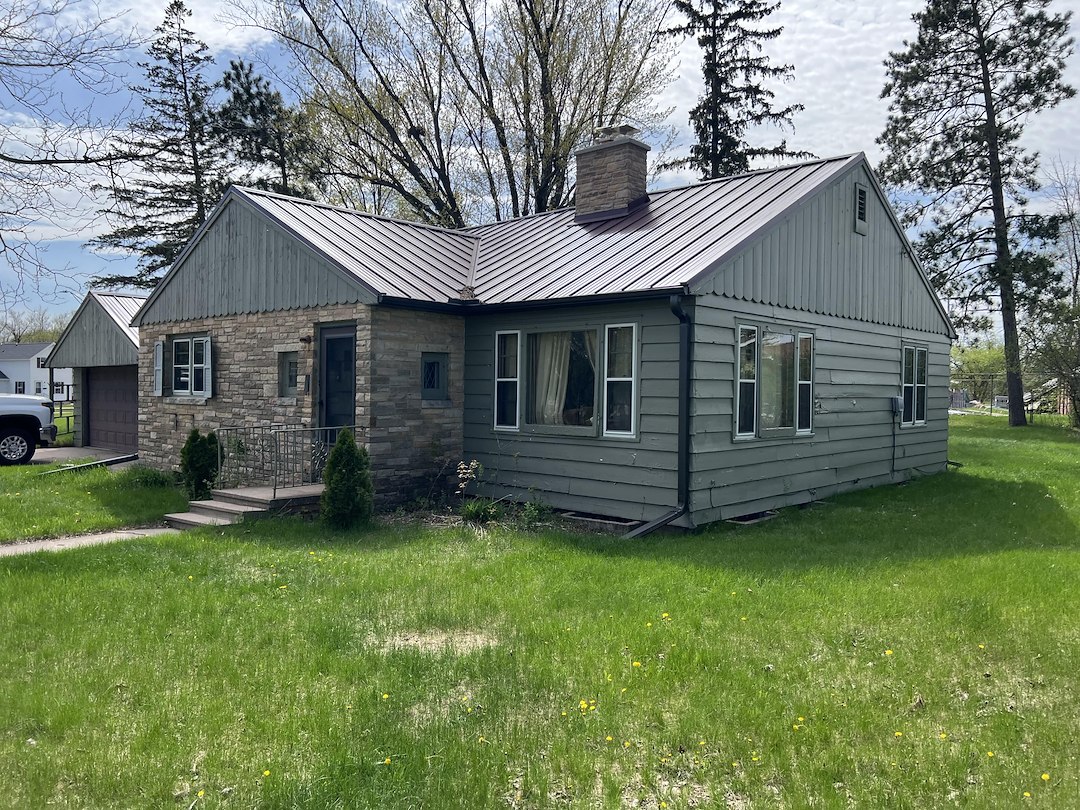
Recent Posts
-
Roof Repair vs Roof Replacement: How to Decide After a Leak
A sudden water spot or drip can feel alarming. If you live in Stevens Point, our mix of spring downpours, summer hail, and winter freeze-thaw cycles makes roof decisions feel urgent. This guide walks you through a clear, homeowner-friendly way to choose between roof repairs and […]
-
How Long Do Asphalt Shingles Last in Central Wisconsin?
Homeowners in Stevens Point know our roofs work hard through long winters, spring thaws, and summer storms. In Central Wisconsin, asphalt shingles typically last 15 to 30 years, depending on shingle type, installation quality, ventilation, and weather. If you want a roof that stands up to […]