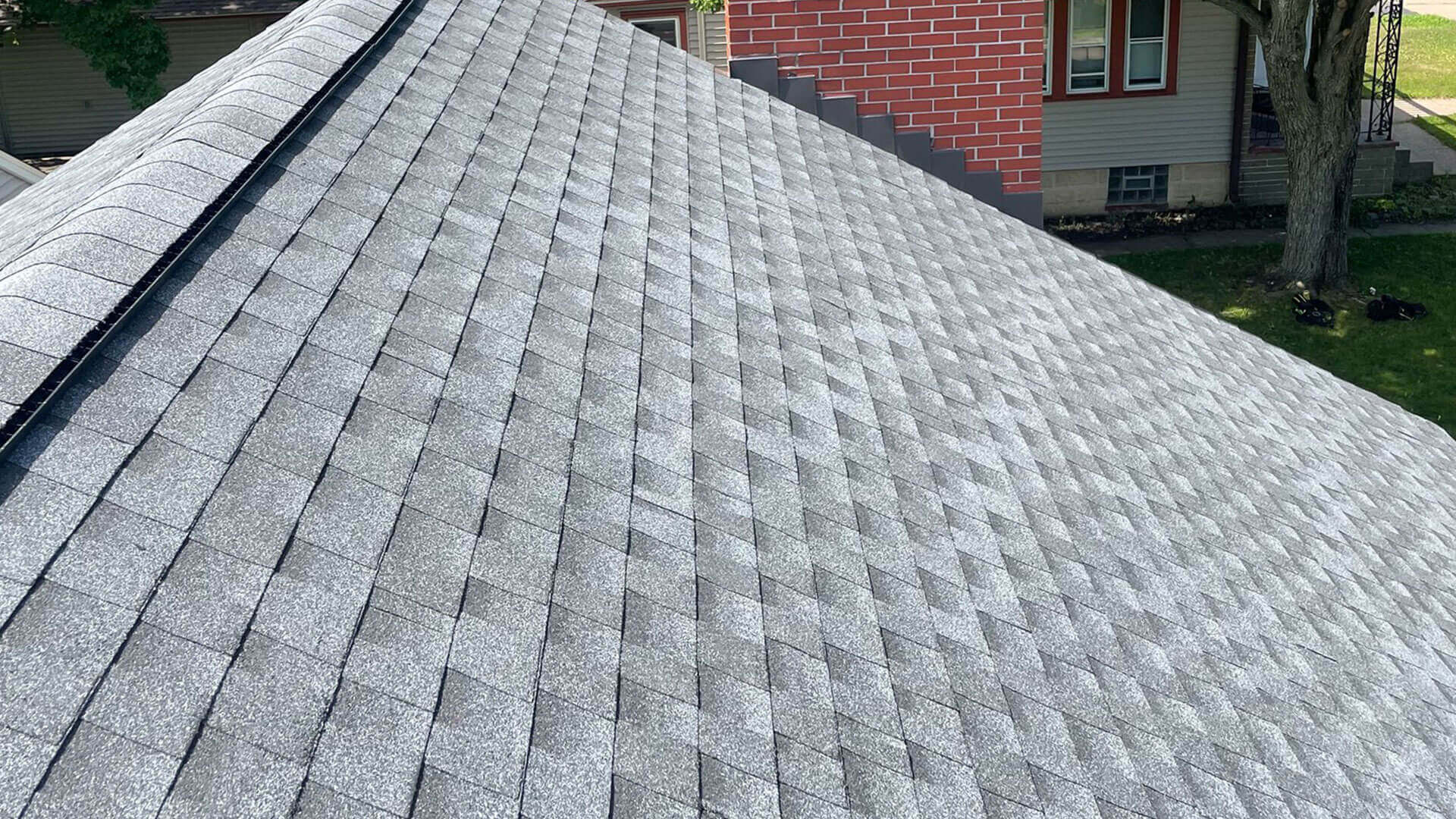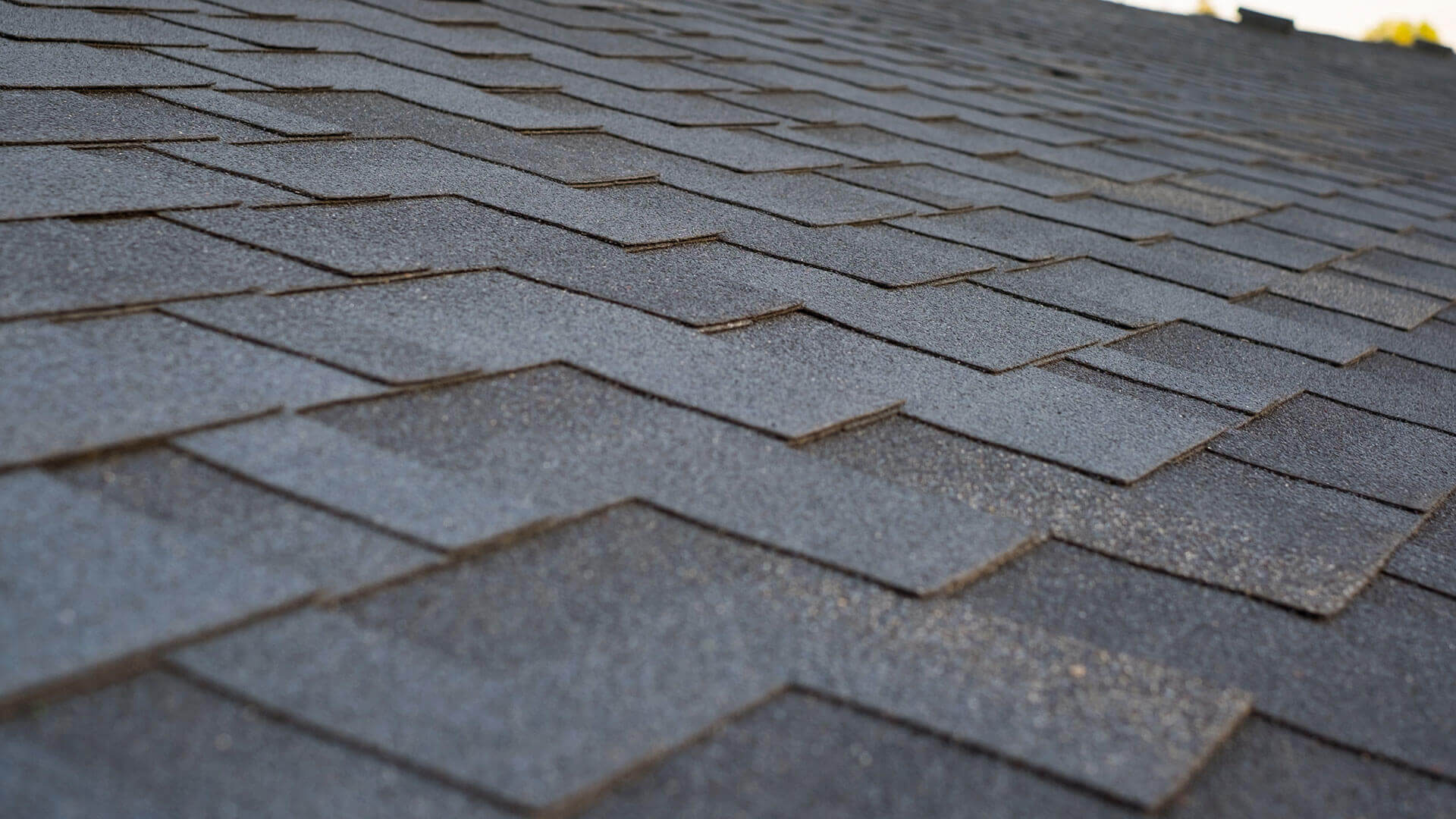
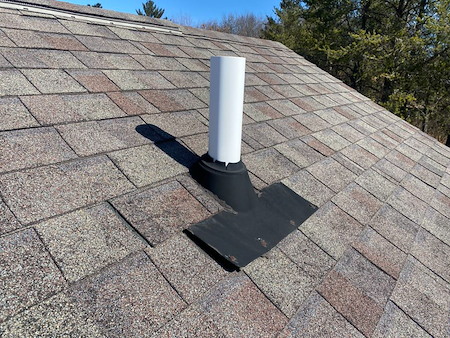
Homeowners in Stevens Point know our roofs work hard through long winters, spring thaws, and summer storms. In Central Wisconsin, asphalt shingles typically last 15 to 30 years, depending on shingle type, installation quality, ventilation, and weather. If you want a roof that stands up to local conditions, it helps to understand what truly affects lifespan and when it is smarter to replace than repair. If you are comparing options right now, explore our asphalt shingles for durable, attractive choices that fit our climate.
What Affects Asphalt Shingle Lifespan In Stevens Point
Climate, Storms, And Seasonal Swings
Central Wisconsin’s freeze and thaw cycles stress shingles as temperatures swing from subzero to summer heat. Wind-driven snow, ice dams along the eaves, and occasional hail can lift tabs, break seals, and knock off granules. South and west facing slopes see stronger sun and faster aging, while shaded north slopes can hold snow longer, which keeps shingles wet and cold.
Installation Quality And Attic Ventilation
Even premium shingles fail early if installed over wet decking, with underdriven nails, or without proper flashing. Attic ventilation matters just as much. Trapped heat and moisture bake the shingles from below and can rot the deck. Poor ventilation can cut shingle life in half, so ridge and intake vents should be balanced and unobstructed.
Shingle Type And Warranty Language
Three-tab shingles are thinner and usually land at the lower end of the lifespan range. Architectural, also called dimensional or laminated shingles, are thicker and often last longer in our area. Many architectural lines, including well-known Timberline styles, are marketed with limited lifetime warranties, but the real-world service life in Central Wisconsin depends on install quality, roof design, and weather. Impact-resistant options may hold up better against hail, though they still need sound decking and ventilation.
- 3-tab shingles: commonly about 15 to 20 years in Central Wisconsin
- Architectural shingles: often 22 to 30+ years with proper install and ventilation
- Impact-resistant architectural shingles: can better withstand hail but still rely on ventilation and flashing quality
Roof Design, Sun, And Surroundings
Low slopes drain slower and may keep snow longer. Complex valleys and walls add flashing points that need attention. Large trees can shade and chill the roof, hold moisture, and drop debris that traps water. Dark colors absorb more heat in summer sunlight, while lighter tones can run cooler but show dirt and algae more easily.
Clear Signs Your Shingles Are Failing
Age is only one factor. Look for patterns across the roof, not just one-off blemishes after a storm.
- Curling or cupping tabs that lift at the corners
- Granules building up in gutters or at downspout exits
- Cracked or slipped shingles, especially near ridges and eaves
- Shiny bald spots where fiberglass mat shows through
- Widespread blistering, not just a few blisters in hot spots
- Water stains on ceilings or attic sheathing after rain or thaw
Never ignore active leaks. Even a slow drip during March thaws can spread, grow mold, and weaken the deck by fall.
“Repair Or Replace?” For Homes Around Stevens Point, Plover, And Park Ridge
Small, isolated damage on a younger roof can sometimes be patched, especially if seal strips are still tacky and surrounding shingles are flexible. When the roof is near the end of its expected lifespan, repairs become harder to blend and may not stop recurring leaks. If wind has broken the bond across large areas, if hail has bruised wide sections, or if multiple valleys are leaking, a full replacement is usually the safer choice.
Ice dams are another clue. If you see thick ridges along the eaves and ceiling stains in late winter, the issue is often a mix of heat loss, attic moisture, and snow load. Correcting ventilation and insulation during a reroof helps stop the cycle and extends shingle life.
Local insight: In Stevens Point and nearby Plover, rapid warmups after a heavy snowfall can push meltwater beneath aging shingles. Scheduling a professional roof check in early fall helps catch loose tabs and weak flashing before winter sets in.
How Long Do Architectural And Timberline-Style Shingles Last Here?
Architectural shingles from leading manufacturers are designed for strength and wind resistance. In Central Wisconsin, a well-installed architectural roof with balanced ventilation can often serve 22 to 30 years or more. Severe hail, poor attic airflow, or repeated ice dams can shorten that span. Make sure the warranty you choose matches our climate and the ventilation your attic can support. A strong shingle still needs a strong system that includes underlayment, flashing, and intake and exhaust vents working together.
Factors You Can Control To Maximize Roof Life
Build A Balanced Roof System
A longer-lasting roof is more than shingles. Quality underlayments, metal flashing at every wall and valley, and properly sized ridge and soffit vents all work together to keep the deck dry and stable. When it is time to upgrade, discuss these components with your contractor rather than focusing only on shingle color.
Schedule Professional Checkups
Set a recurring appointment for a professional inspection after the snow season and again before winter. A trained eye can spot brittle tabs, nail pops, and loose flashing before they turn into leaks. If you are considering styles and features, our team can walk you through options on our roofing page and match them to your home’s design and exposure.
Mind The Edges And Valleys
Eaves, rakes, and valleys age faster because water and ice concentrate there. Closed-cut valleys and properly lapped underlayment are key. Skipping valley upgrades invites early failure, especially on roofs that see drifting snow off the Wisconsin River.
Average Lifespan By Home And Setting In Central Wisconsin
Not every roof in Stevens Point ages the same way. These examples show why two similar homes can get different results from the same shingle.
South-facing ranch in Whiting: fewer trees, strong sun, and good airflow can age shingles evenly. Expect the higher end of the range if ventilation is balanced. Two-story with tall pines in Park Ridge: more shade and needle debris may keep the roof damp longer after storms, so regular cleaning by a professional and great ventilation become even more important.
Lake-effect winds near Lake DuBay can drive snow up-slope and into ridge areas. Homes there often benefit from added attention to ridge vent baffles and ice barrier underlayments along long eaves.
When Age And Symptoms Say “Replace Now”
Plan a replacement when any two of these line up at once:
- Documented age near the end of the expected range for your shingle type
- Widespread granule loss that exposes the mat across sunny slopes
- Multiple active leaks or stained sheathing in the attic
- Shingles that crack when lifted gently during a professional inspection
If you are weighing the timing, review product choices and installation methods on our page for asphalt shingles. A planned roof project before major failure prevents interior damage and lets you choose the right season for installation.
Comparing “Lifespan” To “Warranty” The Right Way
Marketing terms can be confusing. A limited lifetime warranty is not a promise that the roof will last forever. Coverage varies by manufacturer and often requires proof of proper attic ventilation, correct nailing, and approved accessories. Ask your contractor to explain how the warranty applies in Central Wisconsin conditions and what documentation you will receive after installation. If you want to read more background and seasonal maintenance reminders, browse our local roofing tips.
For a broader overview that ties everything together, including materials and services beyond roofing, you can learn about the asphalt shingles lifespan in Central Wisconsin and how it fits into protecting your whole home.
Our Local Process: From Assessment To Weather‑Tight Upgrade
Step 1: On‑Site Evaluation
We start with a full walk‑through of your roof and attic. Photos and notes show where aging is most advanced, like sun‑baked ridges or shady north slopes. We check ventilation balance and flashing details so you get a clear, honest picture.
Step 2: Options Matched To Your Home
You will see shingle types that fit your roof pitch and exposure, plus underlayment and ventilation upgrades that extend service life. Architectural and impact‑resistant options are explained in plain language so you can choose confidently.
Step 3: Clean, Code‑Compliant Installation
Old materials are removed to sound decking, flashing is replaced, and fasteners are driven to spec. We protect landscaping and clean up daily. Your roof system is documented so warranty terms are easy to understand and keep on file.
Ready To Confidently Plan Your Next Roof?
Interested in Financing?
Learn more about our flexible payment options

Recent Posts
-
What Hail Damage Looks Like on a Roof and When to Call a Pro
Hail can mark a roof in ways that are easy to miss from the ground. If you are worried about hail damage roof signs, a local pro can confirm what is real damage and what is normal wear. When storms hit Portage County, homeowners turn to […]
-
Roof Repair vs Roof Replacement: How to Decide After a Leak
A sudden water spot or drip can feel alarming. If you live in Stevens Point, our mix of spring downpours, summer hail, and winter freeze-thaw cycles makes roof decisions feel urgent. This guide walks you through a clear, homeowner-friendly way to choose between roof repairs and […]